Because five passions became one powerful vision.

🌿 From Garden to Bowl:
How Herbs Have Been Helping Our Pets Long Before Packaged Treats Existed
1/17/20262 min read
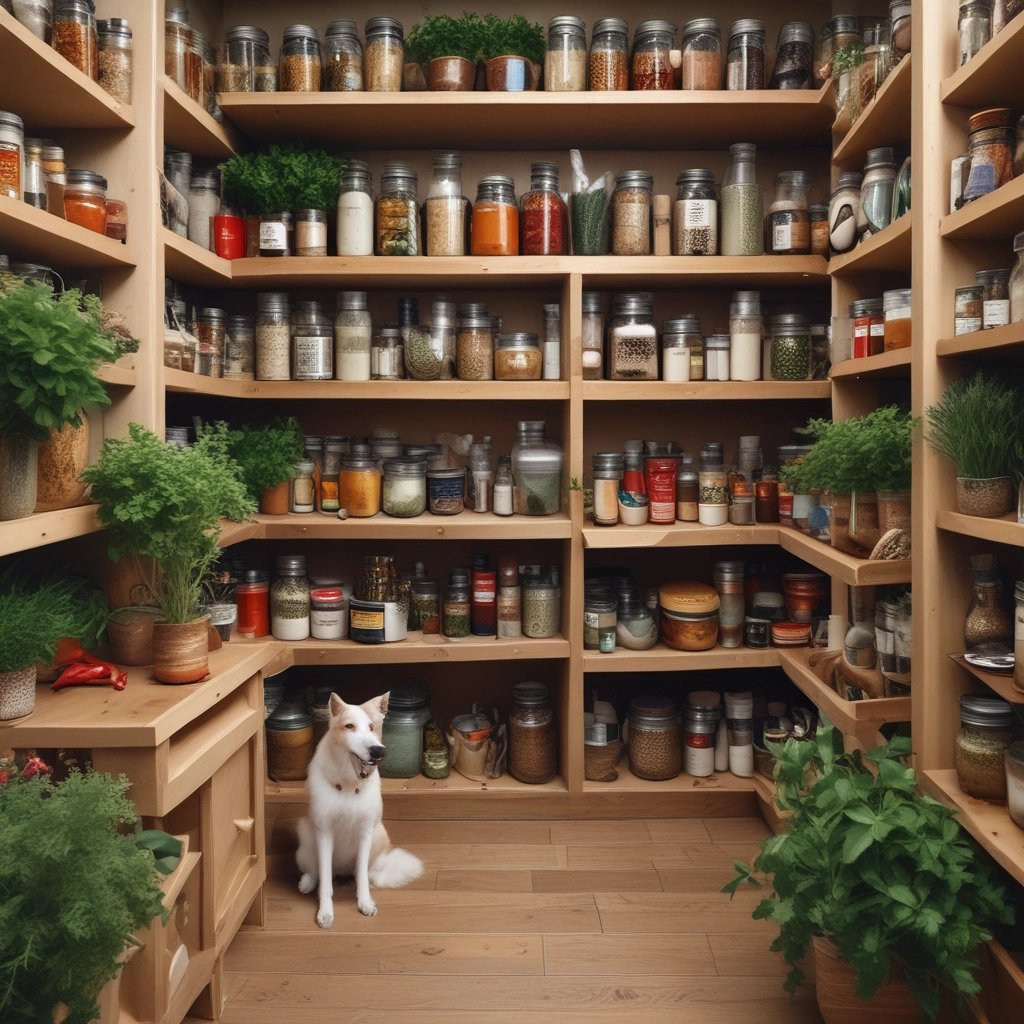
Long before shiny bottles, flavoured chews, and “vet-approved” labels filled the shelves, animals were already doing something remarkable.
They were self-medicating.
Anyone who’s ever watched a dog suddenly snack on a very specific plant, or a horse carefully avoid one patch of grass but obsess over another, has seen it. Animals don’t just eat randomly — they choose. And for centuries, herbs have quietly supported that instinct.
Today, we’re circling back to that wisdom — blending old knowledge with modern care — and that’s where herbal support for pets truly shines.
🌱 What Do We Mean by “Herbs” in Pet Care?
When we talk about herbs, we’re not talking about magic powders or miracle cures.
We’re talking about plants with naturally occurring compounds that gently support the body:
Digestive comfort
Immune balance
Skin and coat health
Joint support
Stress and nervous system calm
Herbs work with the body rather than forcing a reaction. That’s why they’re often described as supportive rather than aggressive.
Think of them as quiet helpers, not loud problem-solvers.
🐕 The Gut: Where Everything Begins
In both humans and animals, the gut plays a massive role in overall health.
When digestion is off, you may notice:
Itchy skin
Dull coats
Loose stools
Low energy
Poor immunity
Herbs like fennel, chamomile, ginger, and liquorice root have traditionally been used to:
Soothe irritated digestive systems
Reduce gas and bloating
Support nutrient absorption
A calmer gut often means a calmer, happier pet — inside and out.
🐾 Skin, Coats & “Why Is My Dog So Itchy?”
Skin issues are one of the most common pet complaints — and they’re rarely just “a skin problem.”
Herbs such as yarrow, chamomile, rooibos, and turmeric are known for their gentle support of:
Inflammatory responses
Skin repair
Circulation
Coat condition
Instead of masking symptoms, herbal support often focuses on why the skin is reacting in the first place — digestion, immunity, or environmental stress.
Healthy skin usually starts from within.
🐴 Joints, Movement & Aging Bodies
As animals age — or work hard — joints take strain. Herbs don’t replace medical care, but they can support mobility and comfort.
Traditional herbal allies like:
Devil’s claw
Turmeric
Ginger
have been used to assist with:
Joint stiffness
Recovery after exertion
General movement comfort
The goal isn’t to push animals harder — it’s to help them move more comfortably.
🐈 Stress, Anxiety & Sensitive Souls
Animals feel stress more deeply than we often realize.
Changes in routine, loud noises, separation, travel, or even emotional tension in a household can affect them. Herbs such as chamomile and rooibos are known for their calming properties and have traditionally been used to:
Support nervous system balance
Encourage relaxation
Ease stress-related digestive upset
Sometimes the most powerful support is simply helping the body feel safe again.
⚠️ A Very Important Note on Safety
Herbal does not mean harmless.
Not all herbs are safe for all species
Cats, dogs, and horses process plants very differently
Dosage, preparation, and quality matter enormously
Herbs should be:
Species-appropriate
Properly sourced
Used as support, not replacement for veterinary diagnosis
Good herbal care is intentional, not random.
🌿 Why Herbal Support Is Making a Comeback
People are tired of quick fixes.
They want:
Gentler options
Long-term wellness
Support that respects the body’s natural processes
Herbs don’t promise overnight miracles — and that’s exactly why they’re powerful. They encourage balance, resilience, and steady health over time.
🐾 Final Thoughts: Old Wisdom, Modern Care
Herbal care isn’t about going “backwards.”
It’s about going deeper.
Blending ancestral knowledge with modern understanding allows us to care for our animals in a way that’s thoughtful, respectful, and rooted in nature.
Sometimes the best support doesn’t come from a lab…
It grows quietly in the soil 🌱